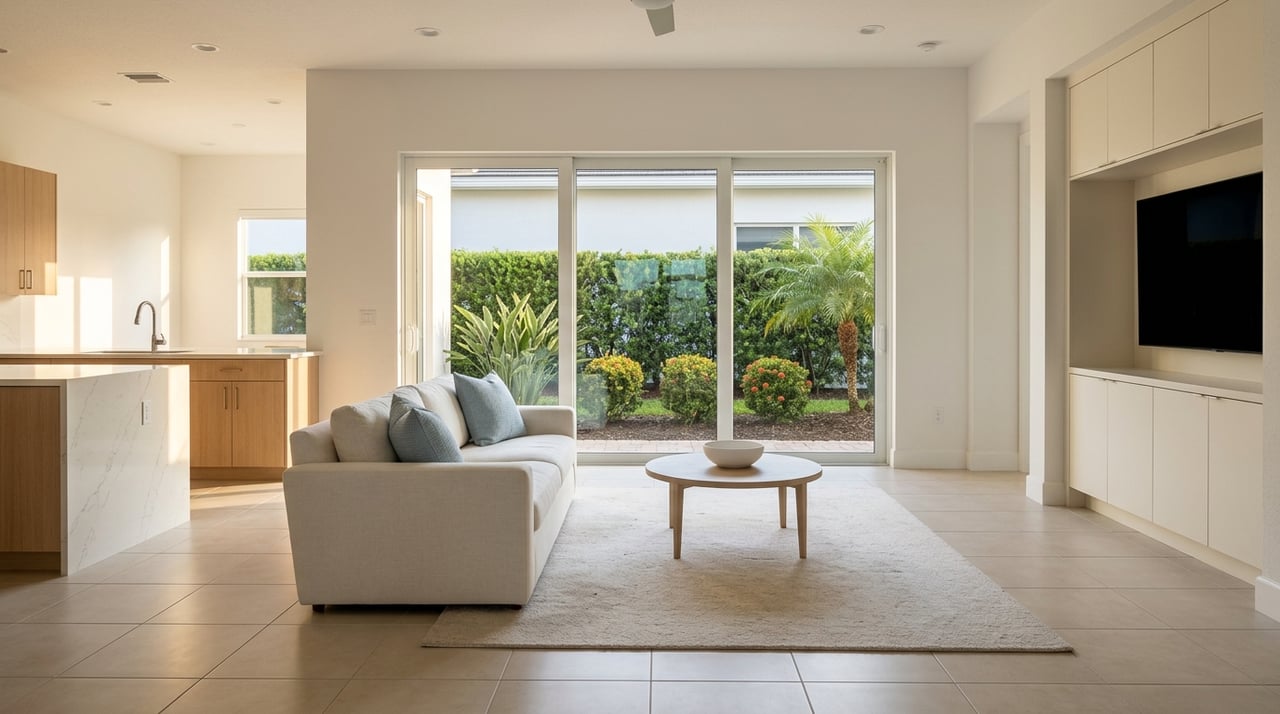
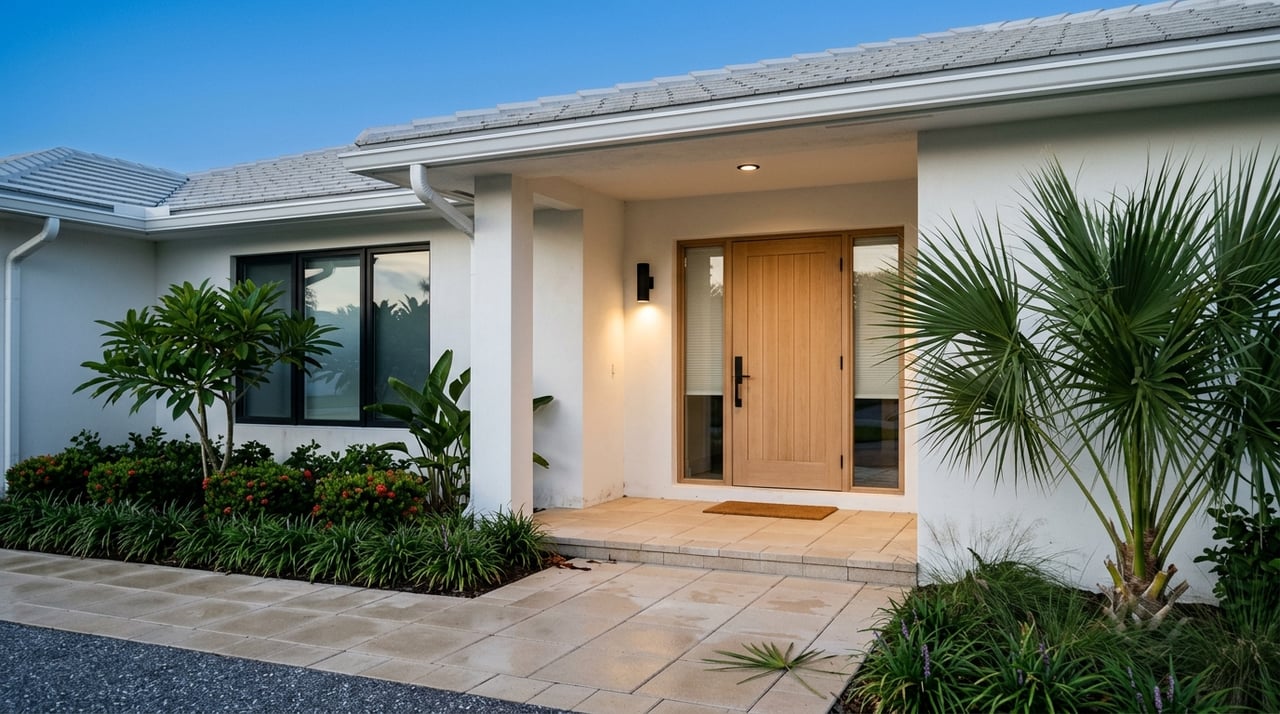
Love the fairway view but wish you had a little more privacy in your backyard? You are not alone. Golf‑lot homes in Esplanade at Azario offer amazing scenery, yet they come with specific rules and practical tradeoffs. In this guide, you will learn how to create tasteful privacy that respects HOA and course requirements, fits our local climate, and still lets you enjoy the view. Let’s dive in.
Start with rules and approvals
Before you plant a single shrub, confirm what is allowed on your lot.
- Check ARC guidelines and recorded easements. Many golf communities maintain course buffers and maintenance easements where hedges or fences can be limited. Examples from similar communities show how easements often restrict plantings without prior approval. Review your documents and submit plans for approval before you install any screen. See an example of typical community standards for buffers and setbacks to understand how these rules are commonly structured.
- Confirm course considerations. Esplanade at Azario centers on an 18‑hole championship course, opened in 2020, and course operations matter for homeowners near play. Contact the on‑site club team for guidance on acceptable buffers and maintenance access near your property.
- Plan for golf‑ball realities. Stray balls are part of golf‑lot living. Avoid blocking maintenance access and discuss any protective solutions with the ARC and course management first.
Helpful resources:
- Review the Esplanade golf page to understand how central the course is to the community and who to contact for guidance.
- See the ASGCA announcement on the Lakewood Ranch course opening for context about the course.
- Browse an example of architectural standards from another golf community to see how easements and buffers are often handled.
Know your site in Esplanade at Azario
- Climate and zone. Lakewood Ranch sits in a subtropical zone with hot, humid summers and mild winters. Local hardiness generally falls in USDA Zone 10a to 10b, which favors Florida‑adapted, heat‑tolerant plants.
- Wind and storms. The Gulf Coast sees periodic strong winds. Choose wind‑resistant species and keep screens lower and layered to reduce storm damage risk.
- Soils and drainage. Neighborhood soils are typically sandy. Amend at planting, mulch to conserve moisture, and keep fertilizers and mulch away from drains and pond edges.
Follow Manatee County’s fertilizer rules
Manatee County regulates residential fertilizer to protect ponds and downstream waters.
- Blackout period: No nitrogen or phosphorus from June 1 through September 30.
- Formulation: Outside the blackout, use at least 50% slow‑release nitrogen. Phosphorus is prohibited unless a soil test proves deficiency.
- Water buffer: Do not apply within 10 feet of surface water.
- Who is exempt: Golf courses are excluded from the residential ordinance, but homeowners and their contractors must comply.
If you hire a pro, confirm they carry the required county certification and decal.
Design for privacy without losing the view
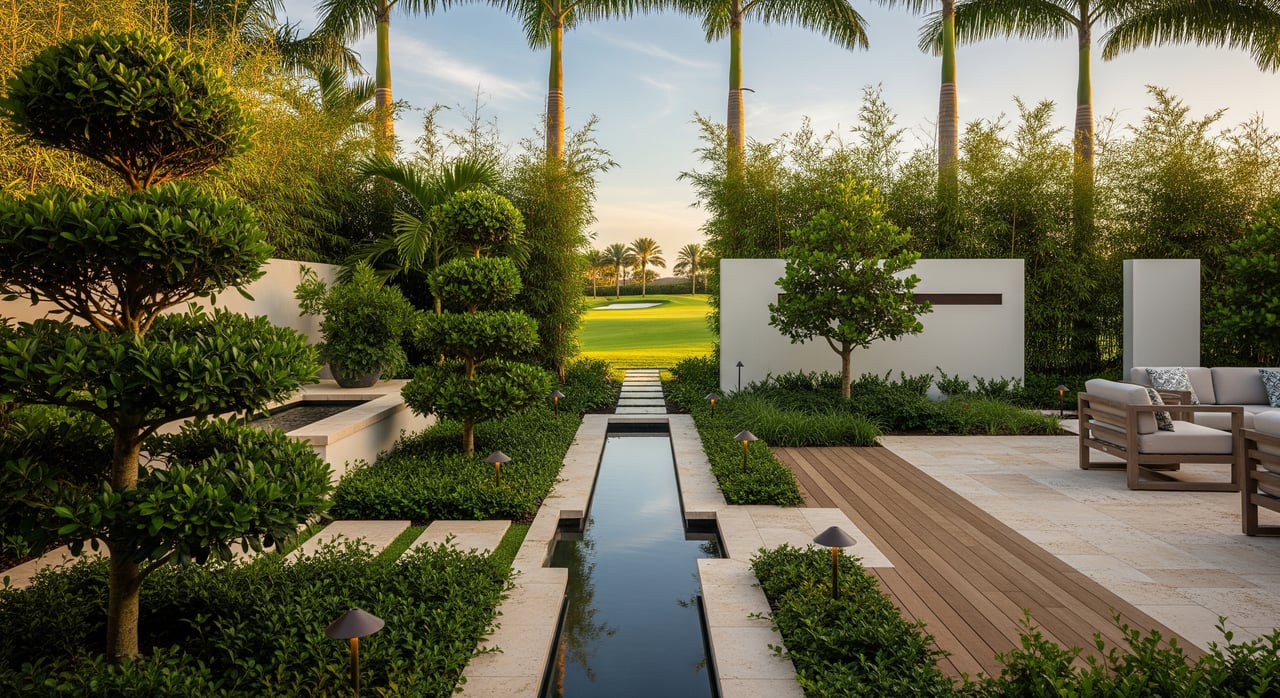
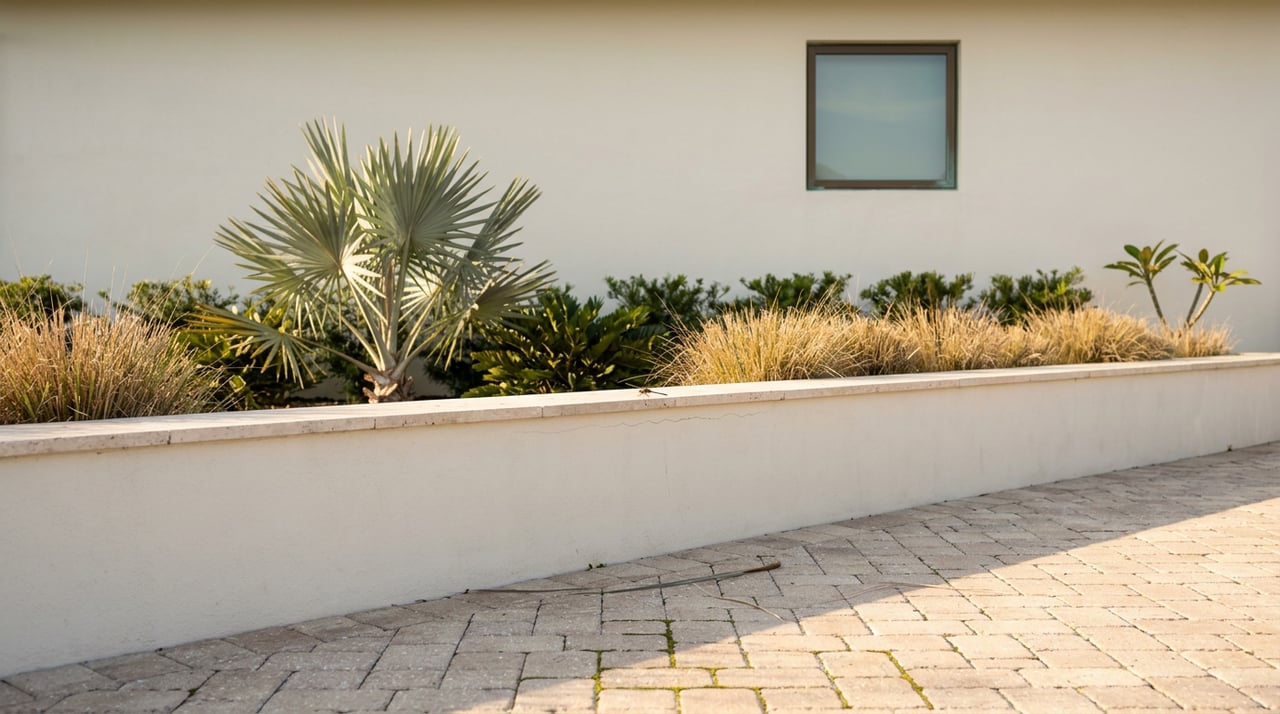
A layered approach gives you year‑round privacy while keeping sightlines to the fairway.
- Backbone evergreens for consistent screening.
- Mid‑layer shrubs for density and seasonal color.
- Lower grasses and ornamentals to soften the base and define view windows.
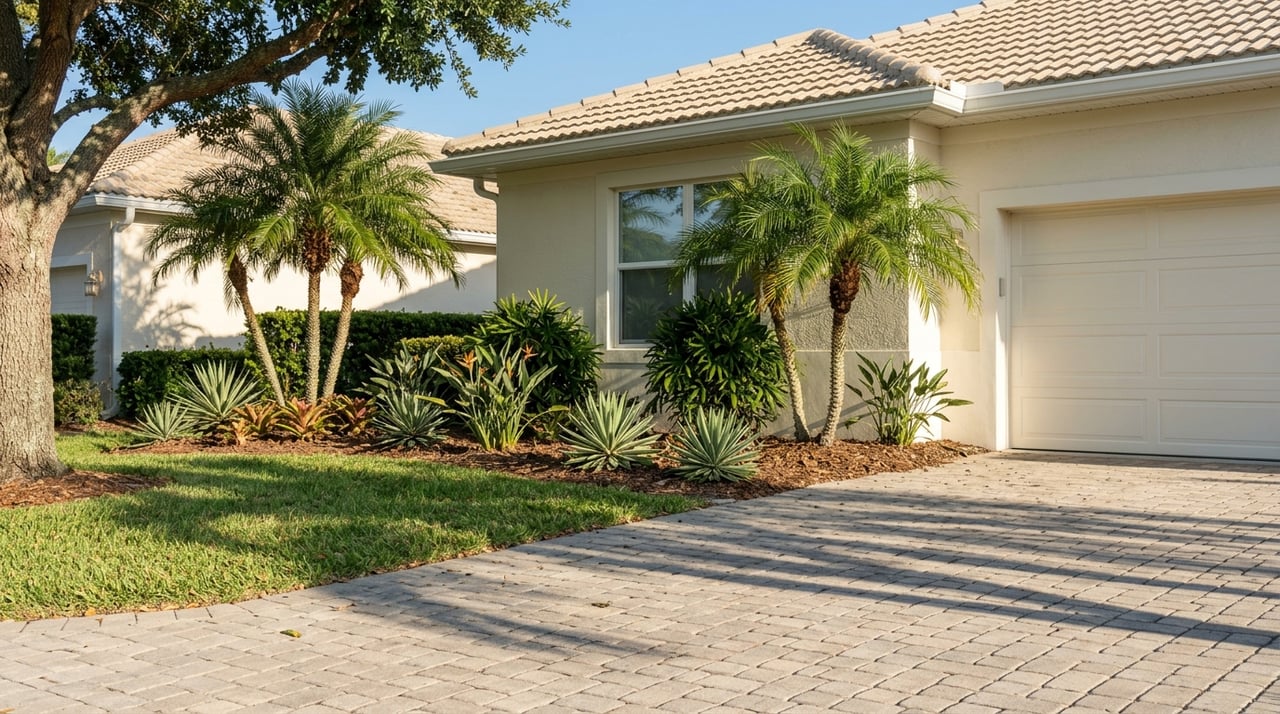
Use Florida‑Friendly Landscaping principles so each plant fits the light, soil, wind, and water conditions on your lot.
Smart plant picks for golf‑view privacy
Tall evergreen backbone
- Clusia (pitch apple). Dense, glossy foliage that forms a strong screen. It tolerates heat and salt, but needs space and routine pruning.
- Sweet viburnum. Fast, full growth and easily shaped into a hedge. Expect more frequent trimming during the first few years while it fills in.
- Podocarpus. A narrower, formal look that is easier to keep tidy in tight spaces.
- Wax myrtle and yaupon holly. Florida natives that handle varied soils and wind, good for a more natural edge.
Wind and salt tougheners
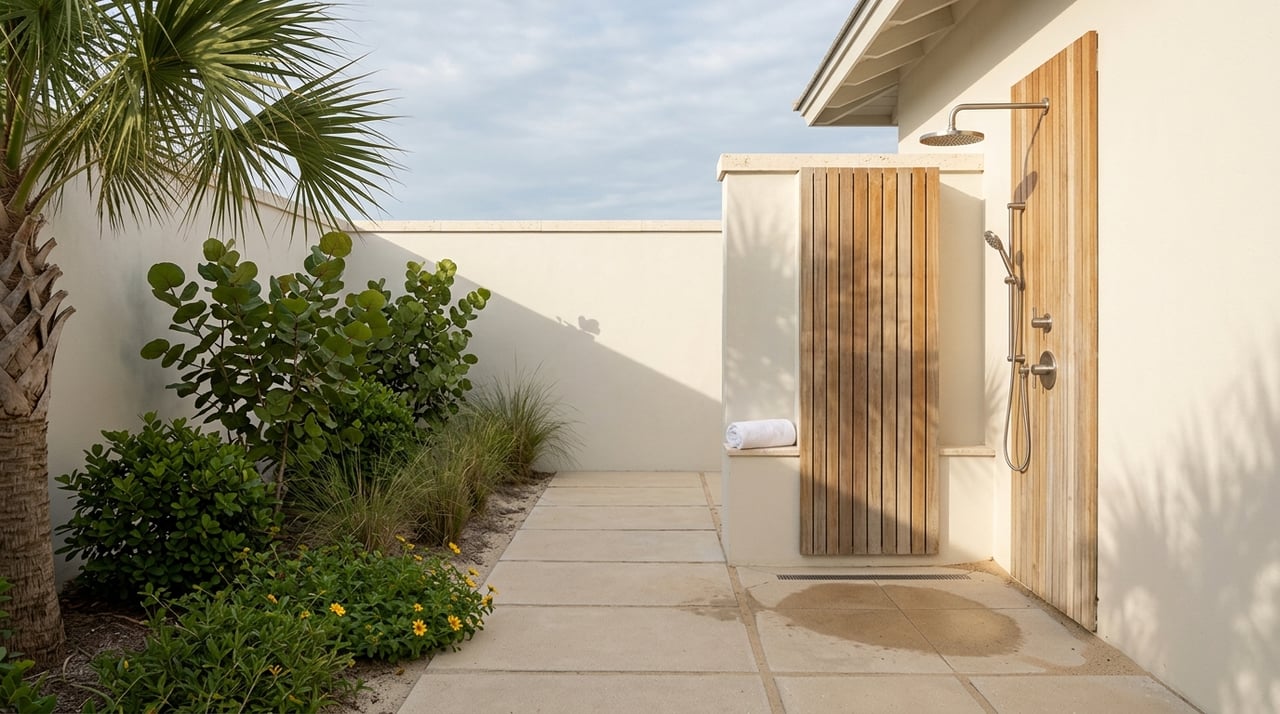
Mix in wind‑resistant options like sabal palms, cocoplum, sea grape where space allows, and Simpson’s stopper to build storm resilience and texture.
Color and understory
Pink muhly grass adds seasonal bloom, while firebush, ixora, and hibiscus can bring color at mid and lower levels. Keep the backbone evergreen so your screen holds through winter.
Quick cover vs. long‑term ease
- Quick fill: Plant faster growers, like sweet viburnum or wax myrtle, at tighter spacing or in staggered double rows for privacy in 1 to 3 years. Plan for more pruning.
- Long‑term stability: Use slower, sturdy species like podocarpus, clumping palms, and native hollies for lower maintenance over time. Many owners blend both strategies.
For dense hedges, stagger double rows about 2 to 3 feet apart and allow typical plant spacing of 3 to 8 feet depending on mature width. Shape hedges wider at the base and slightly narrower at the top so lower foliage gets light.
Installation tips that pass review
- Leave access. Keep plantings out of any recorded maintenance easement and maintain access for course staff.
- Amend and mulch. Work in organic matter for sandy soils and mulch to hold moisture, keeping mulch off trunks.
- Irrigate smart. New plantings need consistent water during the first year. If your lot uses reclaimed water, adjust fertilizer use based on nutrient loads.
- Protect during establishment. Where ball strikes are frequent, consider temporary netting or a discreet deflector behind the hedge if approved. Confirm any protective measure with ARC and course management first.
Simple step‑by‑step plan
- Confirm your recorded easements and read the village ARC guidelines. Submit a simple plan with plant list, spacing, and a sketch that shows setbacks.
- Speak with the Esplanade golf staff about maintenance access and known ball‑strike areas near your lot.
- Map sun, wind, and drainage on your backyard to match plants to conditions.
- Choose a layered palette: a tall evergreen backbone, mid‑layer shrubs, and lower grasses or ornamentals.
- Decide on quick‑fill vs. long‑term mix and set spacing accordingly.
- Schedule installation to avoid the fertilizer blackout window and plan any feeding for spring or late fall.
- Install, mulch, and set irrigation for establishment.
- Prune lightly and often the first 2 to 5 years to build dense, healthy structure.
Creating a privacy screen that complements your golf view is very doable when you match plants to the site and follow the rules. If you are planning to buy or sell a golf‑lot home in Esplanade at Azario, or you want guidance on market‑smart backyard upgrades that boost appeal, connect with Jessica Ross for local insight and concierge‑level representation.
FAQs
What rules affect golf‑view landscaping in Esplanade at Azario?
- Most changes require ARC approval, and recorded course easements can limit planting in buffer areas; confirm your lot’s documents and coordinate with course staff before installing a screen.
When can I fertilize new hedges in Manatee County?
- The county bans nitrogen and phosphorus from June 1 to September 30, requires slow‑release nitrogen outside the blackout, and prohibits application within 10 feet of surface water.
Which plants make a fast privacy hedge near the fairway?
- Sweet viburnum and wax myrtle fill in quickly when spaced tightly or in staggered double rows, but they need more frequent pruning during establishment.
What are wind‑resistant choices for exposed lots?
- Sabal palms, cocoplum, sea grape where space allows, Simpson’s stopper, and native hollies offer good wind tolerance for coastal exposure.
How do I keep privacy without losing my fairway view?
- Use a layered plan with an evergreen backbone and prune to maintain framed sightlines, keeping lower grasses and ornamentals where you want open views.