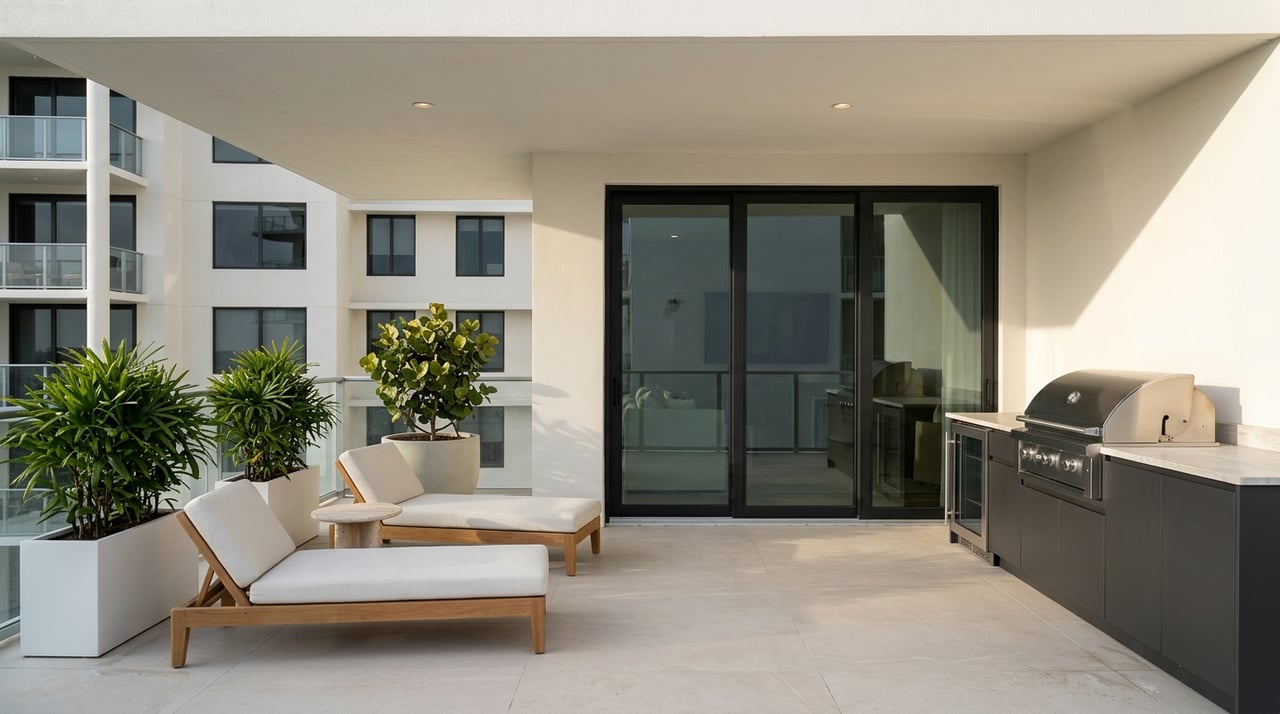
Longboat Key Luxury Condo vs Home: Find Your Best Fit
May 14, 2026
May 14, 2026
If you are deciding between a luxury condo and a single-family home on Longboat Key, you are not just choosing a floor plan. You are choosing how you want to live on a barrier island where maintenance, privacy, boating access, and property rules can shape your day-to-day experience. The good news is that once you understand the tradeoffs, the right fit becomes much clearer. Let’s dive in.
Longboat Key is not a typical coastal market. It is a barrier island with the Gulf of Mexico on one side and Sarasota Bay on the other, and the town spans both Manatee County and Sarasota County. That means the exact parcel location can affect county-level administration and permitting.
The island also sits in a coastal high-hazard area. The town says construction must meet 150-mile-per-hour wind load standards, and many structures west of the Coastal Construction Control Line may require state permitting. If you plan to renovate, rebuild, or add exterior features, that matters in a very real way.
This is also a market shaped heavily by second-home and seasonal demand. Town planning data compiled in March 2024 found that 57% of housing units were seasonal, and 95% of occupied units were owner-occupied. For you as a buyer, that often means lifestyle fit, building condition, and waterfront access can matter just as much as square footage.
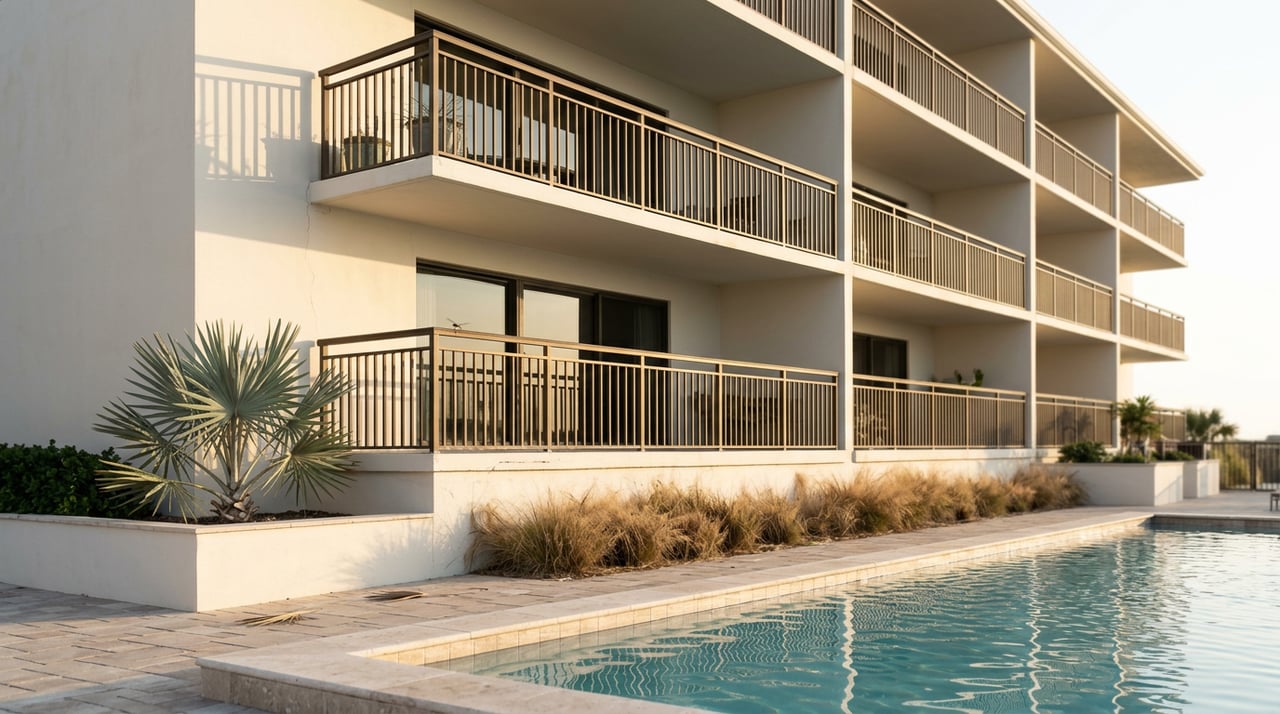
A luxury condo on Longboat Key can be a strong match if you want a more streamlined ownership experience. In a condo, the association is responsible for maintaining, repairing, and replacing common elements under Florida law. That shifts much of the exterior and shared-property burden away from you.
If you picture yourself locking the door and leaving for part of the year, that setup can feel very appealing. You may also find that a condo lets you enjoy a waterfront or resort-style setting without taking on all the upkeep that often comes with a detached home. For many buyers, that convenience is the whole point.
Regional data from February 2026 also showed higher condo and townhome inventory than single-family inventory across Sarasota and Manatee counties. While that is not Longboat Key-specific, it may suggest more choices and, in some cases, more negotiating room on the condo side than in a tightly held single-family segment.
The biggest difference is control versus shared responsibility. You own your unit, but the association manages and maintains common elements and can access units when needed for maintenance or to prevent damage. That can reduce your workload, but it also means you need to be comfortable with association rules and budgeting.
On Longboat Key, this matters even more in older coastal buildings. Building age, reserves, inspection history, and planned repairs can affect both your ownership costs and future resale confidence. A beautiful unit is only part of the picture.
Florida law gives you a clear paper trail to review before closing. On Longboat Key, those documents are especially important because coastal exposure and building age can raise the stakes.
Before you buy, review:
For many condo and co-op buildings that are three stories or higher, Florida’s milestone-inspection law requires structural inspections at 30 years of age and every 10 years after that. Longboat Key has said older buildings had an initial milestone deadline of December 31, 2024, and the report must be prepared by a Florida-licensed architect or engineer.
Florida law also requires structural integrity reserve studies for many existing associations. For associations that existed on or before July 1, 2022, the study generally had to be completed by December 31, 2025, with some flexibility if a milestone inspection is completed by December 31, 2026. For you, this is not just a legal detail. It is a window into how the building plans for long-term repairs.
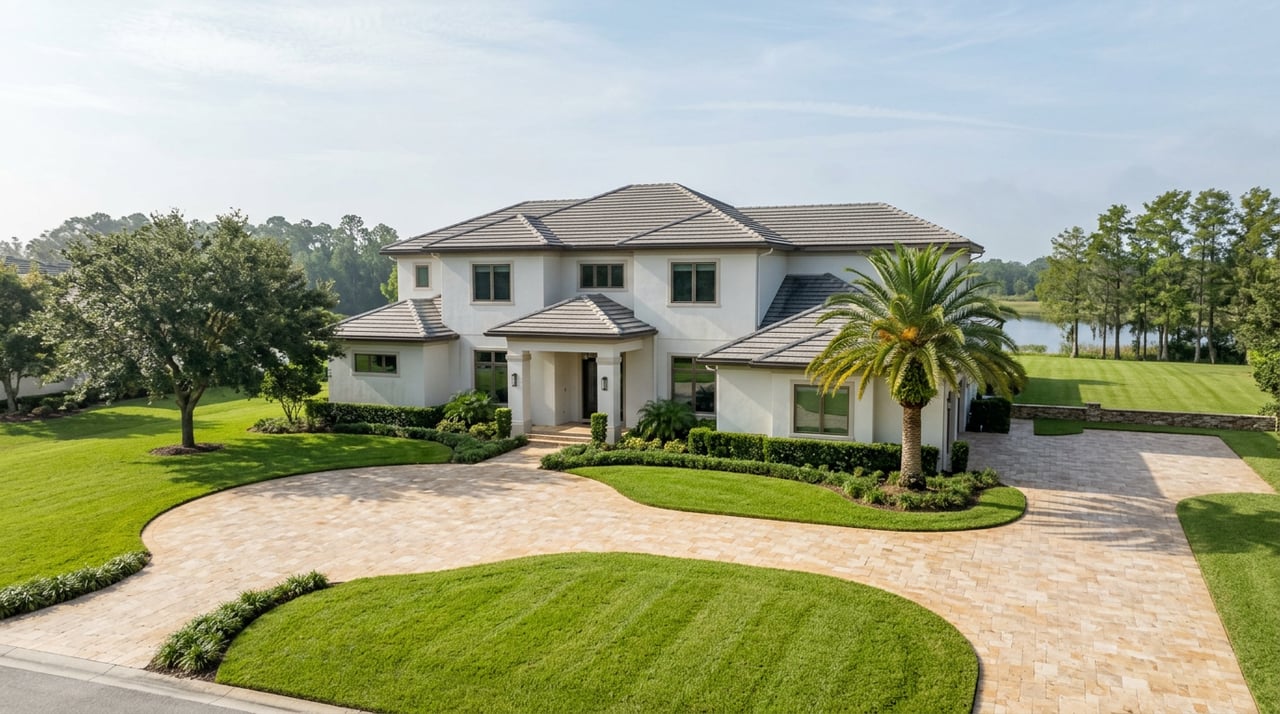
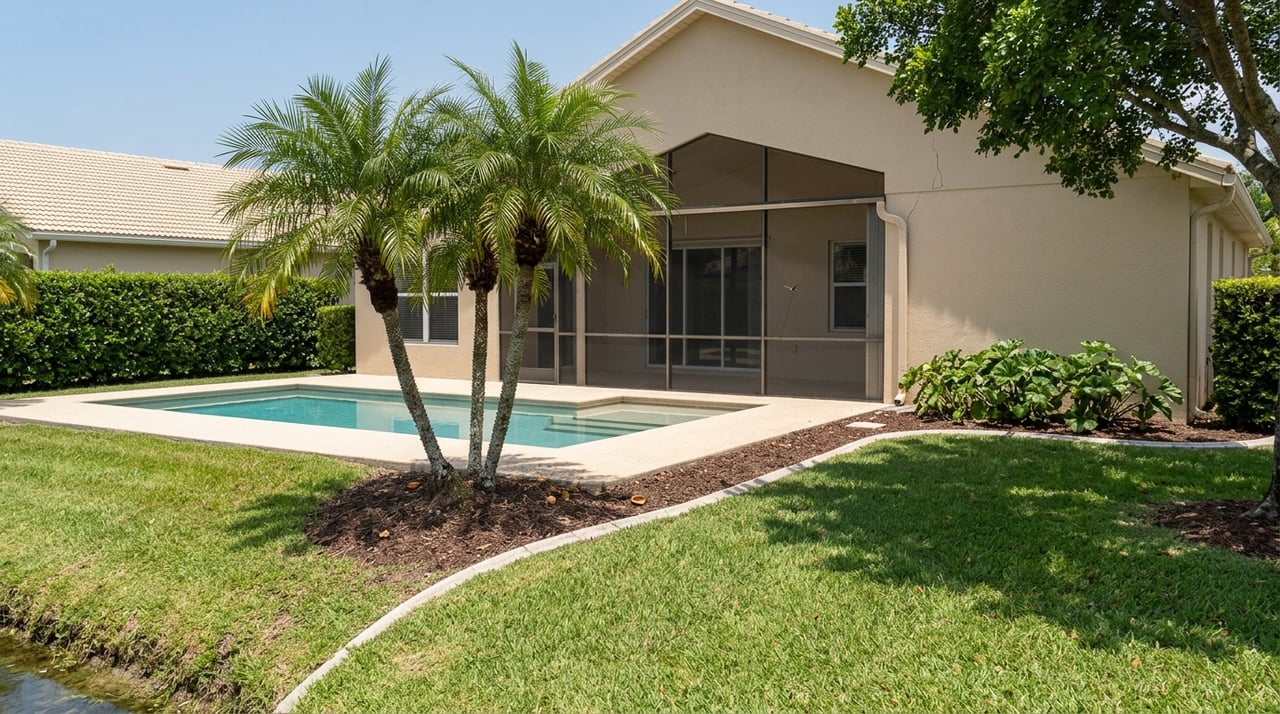
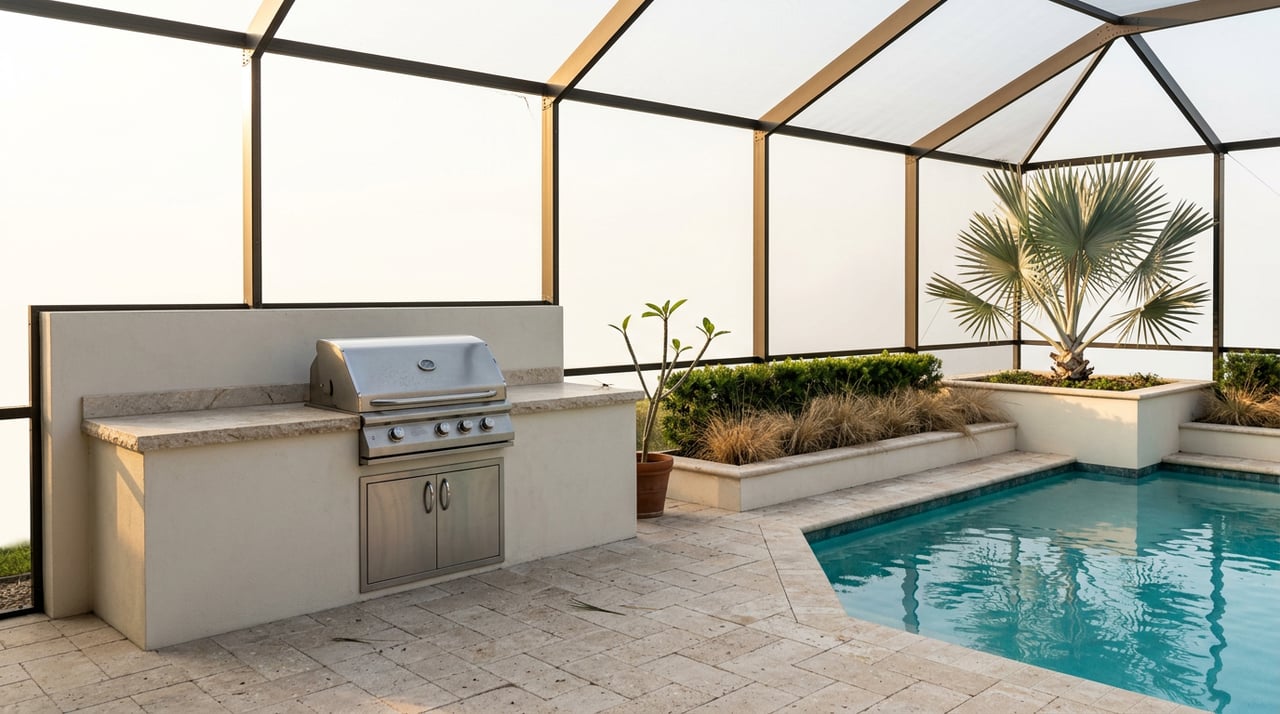
A single-family home usually works best if you want more privacy, more direct control over your property, and more flexibility outdoors. On Longboat Key, that can include yard space, a pool, a larger footprint, or the possibility of boating access depending on the parcel. If customizing your property is part of the dream, a detached home often gives you more room to do that.
That freedom comes with more owner responsibility. The town’s property-maintenance code requires structures to be kept in good repair and sanitary condition, and local zoning rules govern setbacks, height, parking, and accessory structures. In other words, you gain autonomy, but you also take on more direct oversight.
For some buyers, that is a worthwhile trade. You are not waiting on an association decision to update your outdoor living area or evaluate changes to the property. You are simply working within town rules, permit requirements, and site conditions.
With homes on Longboat Key, broad area descriptions are not enough. The town’s planning and zoning pages make clear that accessory structures such as docks are regulated, and the town provides an interactive zoning map for parcel-level research. If you are comparing two homes a few blocks apart, the rules and possibilities may not be identical.
This is one reason local guidance matters so much on the island. A bayfront, canalfront, or interior lot can offer very different options for future use. The property that looks right online may not support the lifestyle details you have in mind.
If boating is high on your priority list, a single-family home may be the better fit. Waterfront homes can offer more direct potential for private access, especially on bayfront or canalfront lots. But on Longboat Key, docks, lifts, pilings, and davits are tightly regulated and tied to code compliance and riparian-rights issues.
That means you should confirm whether a lot actually supports a permitted dock or lift rather than assume it does because it touches the water. For a boat-centric lifestyle, that verification is one of the most important steps in your search.
For most buyers, the decision comes down to four questions: How much maintenance do you want to handle, how much privacy do you want, how important is boating access, and how comfortable are you with property-level due diligence?
A condo tends to concentrate maintenance and documentation at the association level. A home gives you more independence, but it also usually requires more owner involvement and more permitting review. Neither option is better across the board. The better option is the one that matches how you want to spend your time on Longboat Key.
On Longboat Key, resale value is shaped by more than layout and finishes. The town’s housing mix and coastal setting suggest that location quality, building condition, association health, and waterfront access can carry significant weight. In a luxury market with a strong seasonal component, buyers often look closely at both lifestyle and risk.
For condos, resale questions often focus on whether the building has current milestone and reserve documentation, whether reserves appear adequate, and what the governing documents allow for rentals, pets, and renovations. Buyers want clarity, and documentation helps create it.
For homes, the key questions are often flood zone, elevation certificate, insurance quotes, dock feasibility, and permit history. Because Longboat Key is in a coastal high-hazard area and participates in FEMA’s National Flood Insurance Program and Community Rating System, insurance and flood-related details deserve early attention in your search.
If you are torn between the two, start by thinking less about property type and more about ownership style. Ask yourself what kind of island living feels relaxing to you once the excitement of closing wears off.
A luxury condo may be your fit if you want:
A single-family home may be your fit if you want:
If you are planning major renovations or long-term customization, a home may offer more freedom, though island permitting and design standards still matter. If you want a lower-maintenance ownership experience, a condo may feel more aligned with how you plan to enjoy Longboat Key.
On Longboat Key, smart buying is often about asking better questions before you fall in love with a view. Verify whether the property is in Manatee County or Sarasota County, confirm flood and insurance implications early, and if boating matters, make sure the lot supports the access you want. Those parcel-level checks can save you time, money, and frustration later.
Whether you choose a luxury condo or a single-family home, the goal is the same: finding a property that fits your lifestyle now and still makes sense years from now. If you want experienced, local guidance as you compare Longboat Key options, connect with Jessica Ross for a personalized strategy.
Stay up to date on the latest real estate trends.

Searching for your dream home in the Sunshine State? Look no further! Jessica Ross is your dedicated Florida real estate expert, ready to guide you on an exciting journey towards finding the perfect property.