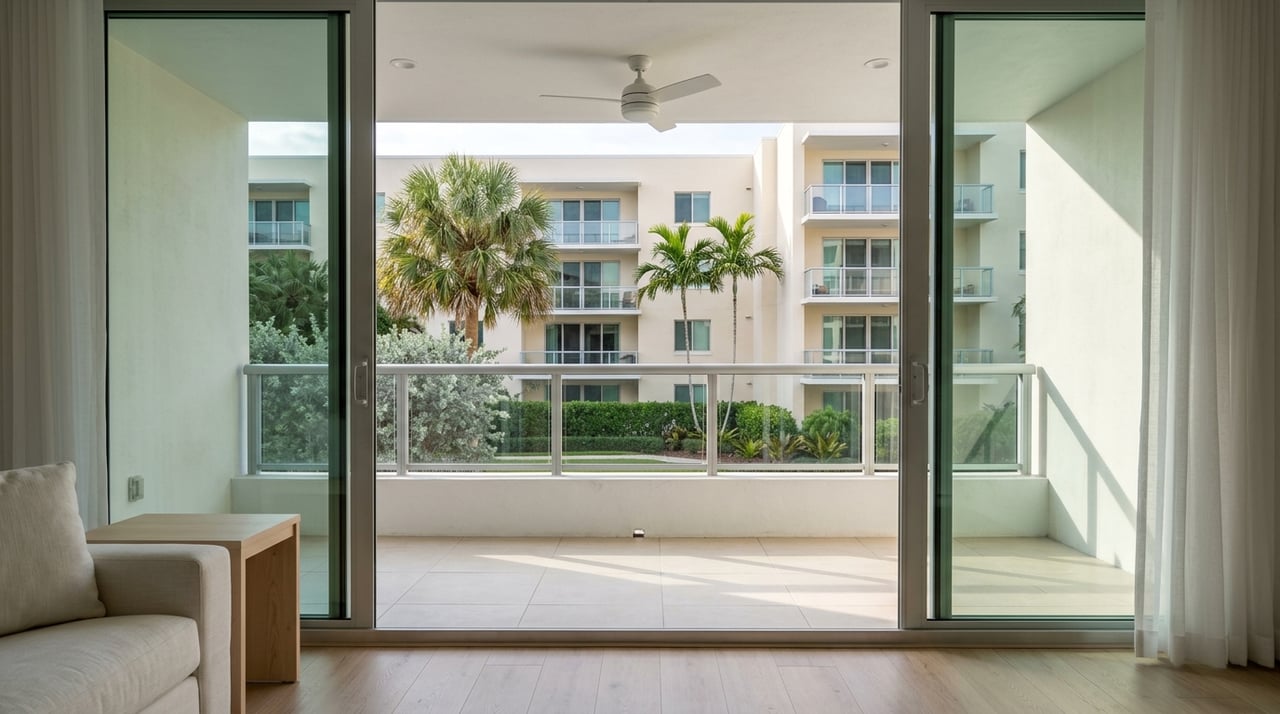
Siesta Key Condo Buying Guide for Personal Use or Rental
May 7, 2026
May 7, 2026
Thinking about buying a Siesta Key beach condo and letting it help pay for itself? You are not alone. Many buyers are drawn to Siesta Key for personal enjoyment, potential rental income, or a mix of both, but the right condo depends on more than the view. In this guide, you will learn how to evaluate rental rules, true monthly costs, insurance needs, and building-level due diligence so you can make a smart purchase with fewer surprises. Let’s dive in.
Siesta Key is an 8-mile barrier island in Sarasota County known for public beaches, shopping, resorts, restaurants, and evening entertainment. That mix gives condo buyers two appealing use cases: a personal beach place and a property that may attract short-stay visitors.
Visitor data supports the idea that condo-style lodging is a normal part of the local market. Visit Sarasota County reported an average stay of 6.3 days in FY 2024, with Siesta Key visited by 55% of visitors and used as the area stayed in by 18%. The beach was the top activity at 85%, and lodging choices included condo or rental house stays at 25% plus personal condo or timeshare stays at 15%.
That said, demand is real but not constant. Visit Sarasota County’s FY 2025 report showed visitor counts fell 6.3% year over year, while occupancy declined even as room rates rose. Sarasota County tourist-tax collections were also strongest in January, February, and March, which shows how seasonal the market can be.
A Siesta Key condo can serve different goals, and your goal should shape your search from the start. If you want a second home first, you may care most about beach access, layout, parking, and owner-use flexibility. If rental income matters, the bigger questions are lease rules, taxes, records, insurance, and whether the building can support the numbers.
In many cases, the best fit is a condo that balances both. You may want enough owner enjoyment to justify the purchase even during slower rental periods. That conservative mindset is especially helpful in a market where seasonality and building-specific rules can change your results.
One of the biggest mistakes buyers make is assuming every Siesta Key condo can be rented the same way. In reality, rental use depends on the zoning district and the condominium documents. Two condos near each other can have very different rental restrictions.
Sarasota County says that on the barrier islands, including Siesta Key, leases may be for less than 30 days and short-term rental use is allowed. In other RMF districts, leases must be at least 30 days and short-term rental use is not allowed. There is also a narrow legacy exception for certain short-term room rental units on barrier islands that were lawful before September 30, 2003.
That means you should verify the exact minimum lease period before you write an offer. You should also confirm whether the association adds stricter rules than local zoning allows. For a buyer who plans to rent, this is not a detail to review later. It is a core part of the purchase decision.
If you plan to rent your condo, income planning should include local taxes and day-to-day compliance. Sarasota County says the Tourist Development Tax is 6% on rentals of six months or less. In Sarasota County, that is in addition to the 7% state sales tax.
The tourist tax applies to more than base rent. It can also apply to accidental damage insurance, cleaning fees, roll-away bed fees, pet fees, and utility fees. If a unit is listed only on Airbnb or HomeAway, those platforms collect and remit the tourist tax, but if you market the unit on other sites or rent directly, you still have to collect and remit the tax on those rentals.
The county also expects owners or managing agents who offer property for rent or lease to keep records showing the rental period and the number of occupants during each rental period. For a buyer, that means rental ownership is not fully hands-off unless your management plan covers those details.
A beach condo may look affordable at first glance, but the monthly payment is only part of the picture. Association fees, reserve funding, insurance structure, and possible special assessments can shift your real carrying cost in a big way.
Florida law requires condominium budgets to include reserve accounts for capital expenditures and deferred maintenance, including items like roof replacement, building painting, and pavement resurfacing when they meet the statutory threshold. Reserve funding can come from regular assessments, special assessments, lines of credit, or loans.
This is why a lower HOA fee is not always the better deal. If reserves are thin, the building is older, or the association has pushed costs into the future, you may be buying into higher risk. A smart review looks at the condo as a full package, not just the purchase price.
On Siesta Key, insurance deserves close attention. Florida law requires condominium associations to maintain adequate property insurance, but the association policy does not cover everything inside your unit. Items such as personal property, floor coverings, wall coverings, ceiling coverings, appliances, built-in cabinets, and window treatments are generally the unit owner’s responsibility.
Florida consumer guidance says condo buyers need an HO-6 policy. That policy primarily covers interior contents and personal liability, and it must include at least $2,000 of loss-assessment coverage. Florida regulators also note that HO-6 coverage usually does not include flood, so a separate flood policy is typically needed.
Flood risk should be reviewed building by building. Lenders may require flood coverage in higher-risk zones, and some flood policies take time to go into effect. If you are comparing two similar condos, differences in insurance requirements and deductible exposure can materially affect your monthly cost.
For coastal condos, building condition matters just as much as location. Florida’s milestone-inspection law requires condominiums and cooperatives that are three habitable stories or more to have a milestone inspection by the year the building reaches 30 years of age. Local enforcement may require the first inspection at 25 years in conditions such as proximity to salt water, and inspections repeat every 10 years.
Florida law also required older owner-controlled associations to complete a structural integrity reserve study by December 31, 2025 for each 3+ story building. These reports can offer valuable insight into future repair needs and whether reserve funding matches those needs.
There is also a coastal resilience angle to consider. The My Safe Florida Condo pilot program was enacted in 2024 and offers free inspections and grant funding to eligible condominium associations. Because the program serves areas extending 15 miles inland from the coast, a Siesta Key association would generally fall within that service area.
Florida law gives prospective condominium purchasers access to key documents, including the declaration, articles of incorporation, bylaws and rules, annual financial statement, annual budget, milestone-inspection summary if applicable, the most recent structural integrity reserve study or a statement that none exists, and the FAQ document. Those materials should be reviewed early, not after you are emotionally committed.
For most buyers, the goal is simple: confirm that the condo fits how you actually plan to use it. A beautiful unit with weak reserves, unclear rental rules, or high deductible exposure may not be the right match. A less flashy condo in a better-run building may be the stronger long-term choice.
If rental income is part of your plan, conservative underwriting can protect you from disappointment. Siesta Key has real visitor demand, but it is still seasonal, and not every building performs the same way. Your numbers should work even if peak-season demand does not continue year-round.
A practical way to think about it is this: the main question is not whether a condo has a great view. It is whether the building’s rental rights, reserves, inspection history, insurance structure, and operating costs support the way you want to use the property. That is the difference between buying a lifestyle asset with confidence and buying one with hidden stress.
Buying a condo on Siesta Key often means sorting through building-specific details that do not show up in the listing photos. Rental restrictions, reserve studies, insurance gaps, and inspection reports can all shape whether a property is a smart fit for personal use, rental use, or both.
That is where experienced local guidance matters. With deep knowledge of Sarasota’s coastal and condo markets, Jessica can help you compare buildings, ask the right due diligence questions, and focus on the properties that align with your goals. If you are thinking about a Siesta Key condo, Jessica Ross can help you evaluate your options with clarity and confidence.
Stay up to date on the latest real estate trends.

Searching for your dream home in the Sunshine State? Look no further! Jessica Ross is your dedicated Florida real estate expert, ready to guide you on an exciting journey towards finding the perfect property.